
Collaborative Care: Navigating Shared Decision-Making in Myasthenia Gravis

Reviewed by: HU Medical Review Board | Last reviewed: January 2026 | Last updated: April 2026
Key Takeaways:
- Treat the person, not the test. Focus on how the patient feels and lives every day rather than just their clinical test scores.
- Use decision aids to bridge the gap between complex new biologics and the patient’s lifestyle needs.
- Active patient participation increases treatment adherence, reduces the long-term risk, and helps earlier recognition of myasthenic crisis.
The management of myasthenia gravis (MG) has undergone a paradigm shift. We have moved from a limited toolkit of pyridostigmine and prednisone to an era of targeted biologics, neonatal Fc receptor (FcRn) blockers, and complement inhibitors. This expansion has increased the need for individualized treatment selection.
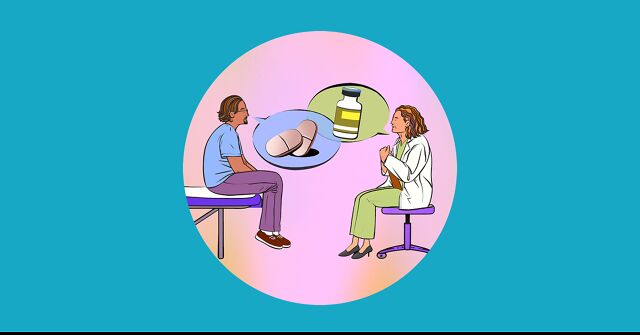
However, as therapeutic complexity increases, so does the risk of a "clinical gap" between objective physiological markers and the patient's lived experience. Shared decision making – a collaborative process where clinicians and patients reach a consensus on treatment based on clinical evidence and patient values – is no longer an elective "soft skill"; it is a clinical necessity for optimizing outcomes in MG.1
This or That
Do you engage your patients in shared decision-making in your practice?
The clinical imperative for shared decision-making in MG
MG is a prototypical "preference-sensitive" condition. Unlike acute trauma, where the path forward is singular, MG management involves balancing long-term immunosuppression risks, treatment burden (infusion vs. oral), and fluctuating symptom control. Multiple acceptable treatment options exist for many patients.1

Research indicates that discordance between physician assessments and patient-reported outcomes is common in MG; clinicians often focus on the Myasthenia Gravis Foundation of America (MGFA) classification, while patients prioritize "invisible" symptoms not captured with a neurologic exam, such as fatigue and emotional distress. These symptoms may disproportionately affect quality of life.1
Implementing shared decision-making ensures that the treatment plan aligns with the patient’s lifestyle, thereby increasing treatment persistence and reducing the likelihood of non-adherence – a major driver of clinical instability and myasthenic crisis.1
Key pillars of the shared decision-making framework
To effectively integrate shared decision-making into a busy neurology practice, clinicians should focus on 3 core pillars:2-4
- Translating the evidence
- Understanding patients’ treatment goals and preferences
- Collective deliberation
Translating the evidence
Clinicians must bridge the gap between clinical trial data and individual prognosis. This involves discussing the transition from traditional non-specific immunosuppressants to newer, targeted therapies. Discussions should include expected benefits, risks, and practical considerations.2
For example, when discussing the introduction of eculizumab or ravulizumab, the clinician must balance the efficacy in refractory generalized MG (gMG) against the importance and logistics of meningococcal vaccination and infusion schedules.
Understanding patients’ treatment goals and preferences
MG patients often value different outcomes depending on their life stage. A young professional may prioritize the rapid onset of a complement inhibitor to avoid work disruption, while an elderly patient might prioritize the safety profile and lower infection risk of an FcRn blocker like efgartigimod.3
Using tools like the MG-ADL (Activities of Daily Living) scale during the consultation can help pivot the conversation from purely physical signs to functional priorities and facilitate discussion of day-to-day impact.3
Collective deliberation
This is the "choice talk" phase. It requires a transparent discussion of Minimal Manifestation Status (MMS) as a goal. According to the international consensus guidance for the management of MG, the ultimate goal is MMS or better with Grade 1 or lower side effects from medication.2,4
Shared decision-making allows the clinician to ask: “How acceptable is the balance of symptom control with side effects?”
Navigating the challenges: Time and health literacy
The primary barrier to shared decision-making reported by clinicians is time. However, the use of Patient Decision Aids (PDAs) can streamline the process.5
PDAs are evidence-based tools that provide information about MG treatments and help patients clarify their values before the appointment. Studies have shown that patients who use PDAs are more prepared for their clinic visits, have more realistic expectations of treatment benefits, and feel more certain about their choices.5
Furthermore, clinicians must account for the cognitive and emotional burden of MG. Brain fog and fatigue can impede a patient's ability to process complex immunological data. Using the "teach-back" method – asking the patient to explain the treatment plan in their own words – can help confirm understanding.
The impact on clinical outcomes
The benefits of shared decision-making in MG extend beyond patient satisfaction. Data suggest that patients involved in their care decisions report better self-management of fluctuating symptoms.1,4
In a chronic, unpredictable disease like MG, an engaged patient is more likely to recognize the early signs of a flare and seek intervention before a crisis occurs, ultimately reducing emergency department visits and hospitalizations.1,4
In the current landscape of MG treatment, clinical expertise is only half of the equation. The other half is the patient’s expertise in their own life. By adopting a shared decision-making model, clinicians can move beyond "treating the MG-ADL score" to treating the whole person. This collaborative approach supports adherence, trust, and long-term disease stability.3