
Hear + Now Audio Digest: Home Treatments for gMG

Managing myasthenia gravis involves more than simply taking medication. Paying attention to changes in symptoms, understanding whether a treatment is helping, and communicating those changes to your care team can all play an important role in managing MG. As treatment options continue to evolve, more people are exploring ways to receive care from the comfort of their home.
In this podcast, Myasthenia-Gravis.com explores practical ways to track how MG symptoms affect daily activities and recognize changes in treatment effectiveness. We also discuss the growing shift toward at-home treatments and how this may change the conversations people with MG have with their neurologists about their care.
This audio digest was generated with the assistance of an AI tool and has been reviewed by our Editorial Team. This information is provided for general knowledge and is not a substitute for professional medical advice.

Transcript
Speaker 1: Today we want to talk about navigating myasthenia gravis care.
If you live with MG, you already know that something as basic as like lifting a brush to your hair can sometimes feel like trying to run a marathon. So, we are gonna extract key insights on how you can better track whether your medications are actually working, explore the shift toward home-based treatments, and look at how this reality is reshaping the vital conversations you might have with your neurologist.
Speaker 2: Yeah. Tracking medication efficacy for MG is a very practical daily reality. The primary indicators some patients look at are energy levels and arm weakness. So you know your drug might be doing its job when you can finish brushing your hair without needing to stop midway for a rest period.
Speaker 1: Right. And to track this, a lot of people rely on the M-G A-D-L score. Which stands for activities of daily living. This score can function as a daily journal to measure how your symptoms impact normal tasks. This can be complicated, though, if you have overlapping conditions. For instance, if you also have thyroid eye disease, symptoms like double vision or droopy eyelids might overlap.
Speaker 2: Right. So to sort through symptoms, you have to look at the mechanism. Like MG symptoms typically fluctuate with fatigue, whereas thyroid eye disease symptoms can be more constant. So separating these signals and symptoms can be helpful. It's important to decipher the difference between a treatment plateau where symptoms are just stable and an actual decline.
Speaker 1: Because catching a decline early and communicating it can help avoid serious flares.
Speaker 2: Exactly. And because tracking these symptoms is such a daily reality, the treatments themselves are trying to adapt to integrate more closely into daily life.
Speaker 1: Right. We are seeing a transition away from traditional intravenous immunoglobulin center infusions.
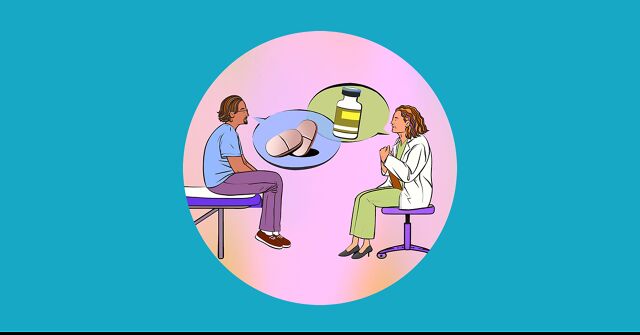
Speaker 2: Those treatments can require long trips and sitting in a clinic for hours while the medication is delivered directly into a vein. Instead, there is a move toward subcutaneous immunoglobulin and other at-home options.
Speaker 1: So subcutaneous delivery uses a much smaller needle to push the medication into the fatty tissue under the skin, where it is absorbed more slowly and steadily.
Speaker 2: Right. And treatments like this can often be done at home.
Speaker 1: Which does bring up a question to consider. While regaining your time and freedom is invaluable, could the convenience of self-administered home treatments inadvertently reduce the face-to-face support patients currently get from infusion center staff?
Speaker 2: It could. There is a psychological benefit and, you know, an informal monitoring aspect to seeing a care team regularly that might fade when treatment moves strictly to the living room.
Speaker 1: Yeah, and managing complex symptoms and utilizing these modern treatments from home might mean the dialogue you have with your neurologist changes.
Speaker 2: Because standard medical assessments simply do not work well for MG.
Speaker 1: Right. A basic one-to-ten pain or fatigue scale fails to capture the logistical gymnastics required to navigate a single day.
Speaker 2: Yeah. A community member shared that they want doctors to move past the standard scales and ask questions like if cooking a single meal requires resting for the remainder of the day.
Speaker 1: Right. That distinction is the difference between simply being tired and being functionally sidelined for 24 hours just because you prepped dinner. So as we look at all of this, we see that the landscape of care is shifting. Patients are utilizing more at-home treatments, and that may reshape the conversations they have with doctors going forward.
The information discussed in this audio digest was originally published in the following articles:
Join the conversation