


Hear+Now: An AI-Powered Audio Digest – What MG Patients Wish They'd Heard at the Diagnosis Visit

Reviewed by: HU Medical Review Board | Last reviewed: September 2026 | Last updated: October 2026
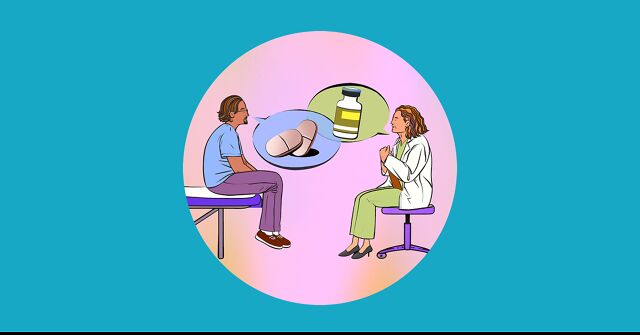
For many patients, the moment they receive a myasthenia gravis diagnosis carries as much emotional weight as clinical information. After a long and often frustrating road to get there, patients arrive at that visit exhausted, relieved, and anxious all at once — with real concerns about treatment ahead. This audio digest explores what patients wish had been addressed in that first conversation, and how acknowledging both the emotional toll and treatment fears can shape the relationship going forward. Listen in to learn more.
This audio digest was generated with the assistance of an AI tool and reviewed by a member of our Editorial Team and Health Union Medical Review Board. This information is provided for general knowledge and is not a substitute for professional medical advice.
Transcript:
Speaker 1: Today we're talking about myasthenia gravis and what MG patients wish they'd heard at their diagnosis visit. Let's look directly at the moment a patient finally sits in the exam room to receive their diagnosis. The reality is that the timeline leading up to this visit is rarely straightforward.
Speaker 2: Right. Looking at the 2025 Myasthenia Gravis In America survey, the data illustrates what that timeline looks like. 32 percent of patients had their symptoms initially dismissed by providers. And on top of that, 11 percent were misdiagnosed with other conditions. And 26 percent waited over a year to get the correct diagnosis.
Speaker 1: So those numbers outline a long frustrating path before the patient even hears the letters MG.
Speaker 2: Yes, exactly.
Speaker 1: Because when symptoms fluctuate the way they do with this condition, patients are often told they have conditions ranging from Bell's palsy to Parkinson's disease. So by the time they receive the correct answer, their baseline trust in the medical system has often been tested.
Speaker 2: Right. This can turn the diagnosis visit into a highly charged moment. The patient isn't just processing new medical information. They're reacting to the end of a long period of uncertainty. One patient captured this complex state directly, stating, "The words I had been waiting for. The conversation that would bring me to tears, tears of joy and tears of fear."
Speaker 1: Yeah. That exhaustion from the journey can mean the emotional fallout is immediate. Which makes addressing that emotional reality a critical subject for providers right from the start. Yet the survey notes that 14 percent of patients find it hard to fully express their treatment needs with the doctor. After fighting for an accurate diagnosis, some are simply too drained to advocate for themselves effectively.
Speaker 2: Right. And patients consistently indicate they want providers to validate the emotional toll alongside the clinical symptoms. Because when the diagnostic conversation focuses strictly on the mechanics of neuromuscular transmission, the psychological burden is overlooked. A direct patient quote illustrates this reality, stating, "The emotional impact is also considerable. The fatigue and limitations can be frustrating, leading to moments of feeling overwhelmed or isolated."
Speaker 1: Patients need clear acknowledgment of how the symptoms disrupt their daily independence. They need to know providers understand the weight of that disruption, rather than just the clinical markers of the disease. But eventually, the discussion in that initial visit does have to shift toward disease management and practical next steps.
Speaker 2: And that transition to treatment planning introduces new significant concerns for the patient. The survey shows that 34 percent of patients report potential long-term side effects of treatments as a concerning barrier because some of the medications used to manage the disease can carry significant side effect profiles.
Speaker 1: Patients are looking for the diagnosis visit to include a transparent discussion about balancing symptom relief with the realities of those long-term medication side effects. They need to understand the physical trade-offs required to manage their condition over the years to come.
Speaker 2: Right. And when providers address both the emotional exhaustion and the very real fears about treatment side effects upfront, it changes the dynamic of the room.
Speaker 1: Yeah. It acknowledges everything the patient has endured just to get to that chair. That leaves an important question for the medical community. If a patient walks into the office already burdened by dismissed symptoms and treatment anxieties, how do providers ensure that very first conversation immediately establishes a collaborative partnership?